
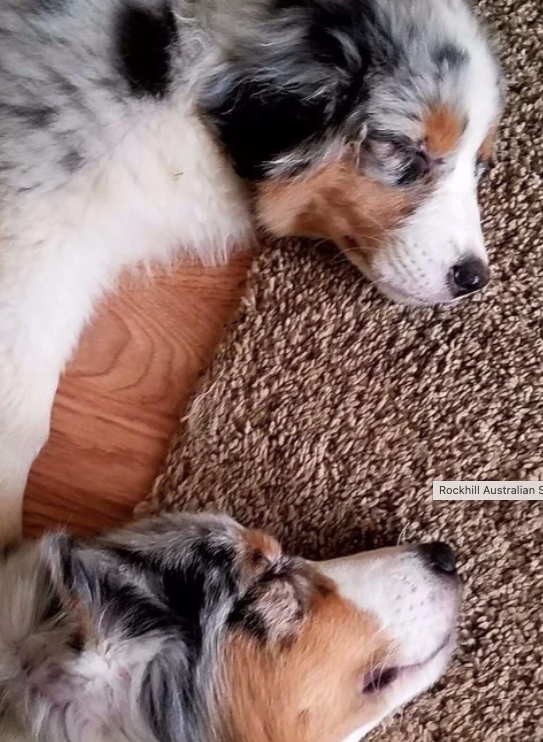
Adding a new dog to your family is exciting, but it’s important to remember that your current dog may need a little time to adjust to the idea of sharing their home and routine. With some patience, planning, and thoughtful introductions, you can help create a positive experience for everyone involved.
Before bringing home a new puppy, take time to prepare for a calm and stress-free introduction. Every dog has a different personality, and understanding both your adult dog and the new puppy will help set realistic expectations. Puppies are naturally energetic, playful, and sometimes overwhelming with their sharp teeth and endless enthusiasm. Some older dogs may not immediately enjoy sharing their people, toys, or space with a rambunctious youngster, and that’s perfectly normal.
It’s helpful if both dogs are comfortable walking on a leash and have already had some positive experiences interacting with people and other animals. When choosing a puppy, ask the breeder about the puppy’s early socialization and whether they were raised around other dogs in the household. Early experiences can make a big difference in how confidently a puppy approaches new situations.
A proper introduction is one of the most important steps in building a successful relationship between the dogs. Try to arrange the first meeting in a neutral area rather than inside your home, like your backyard. Your adult dog may feel protective of familiar spaces, toys, or people, which can create tension during a first encounter. A neighbor’s yard, a quiet park, or another neutral location is often a better choice.
Keep the meeting calm and positive. Offer praise and gentle guidance, but avoid overwhelming the dogs with too much excitement or correction. Allow breaks when needed, and don’t force the dogs to interact continuously. Relationships take time to build, and it’s completely normal if they are not instant best friends. Always supervise interactions during the early stages.
Pay close attention to body language, as dogs communicate a great deal through their behavior. Allow the dog gently correct the puppy if need be. They are teaching the puppy what they will accept. Do to let it go to far. A gentle growl a lip curl. Signs of stress or discomfort can include:
Growling
Intense staring
Mounting
Lip curling
Excessive yawning
Heavy panting
It’s also important to give both dogs equal attention. New puppies naturally attract a lot of focus, but your older dog still needs reassurance and one-on-one time. Being mindful during mealtimes and around favorite toys can help prevent conflicts or resource guarding.
Dogs are naturally social animals, and with patience and consistency, many grow to enjoy having a canine companion. Take your time, move at a pace both dogs are comfortable with, and allow their relationship to develop naturally. In the end, the effort you put into a thoughtful introduction can lead to a happier home and a lasting friendship between your dogs.


